
The Truth About C-Section Recovery: What No One Tells You (And How to Actually Heal)
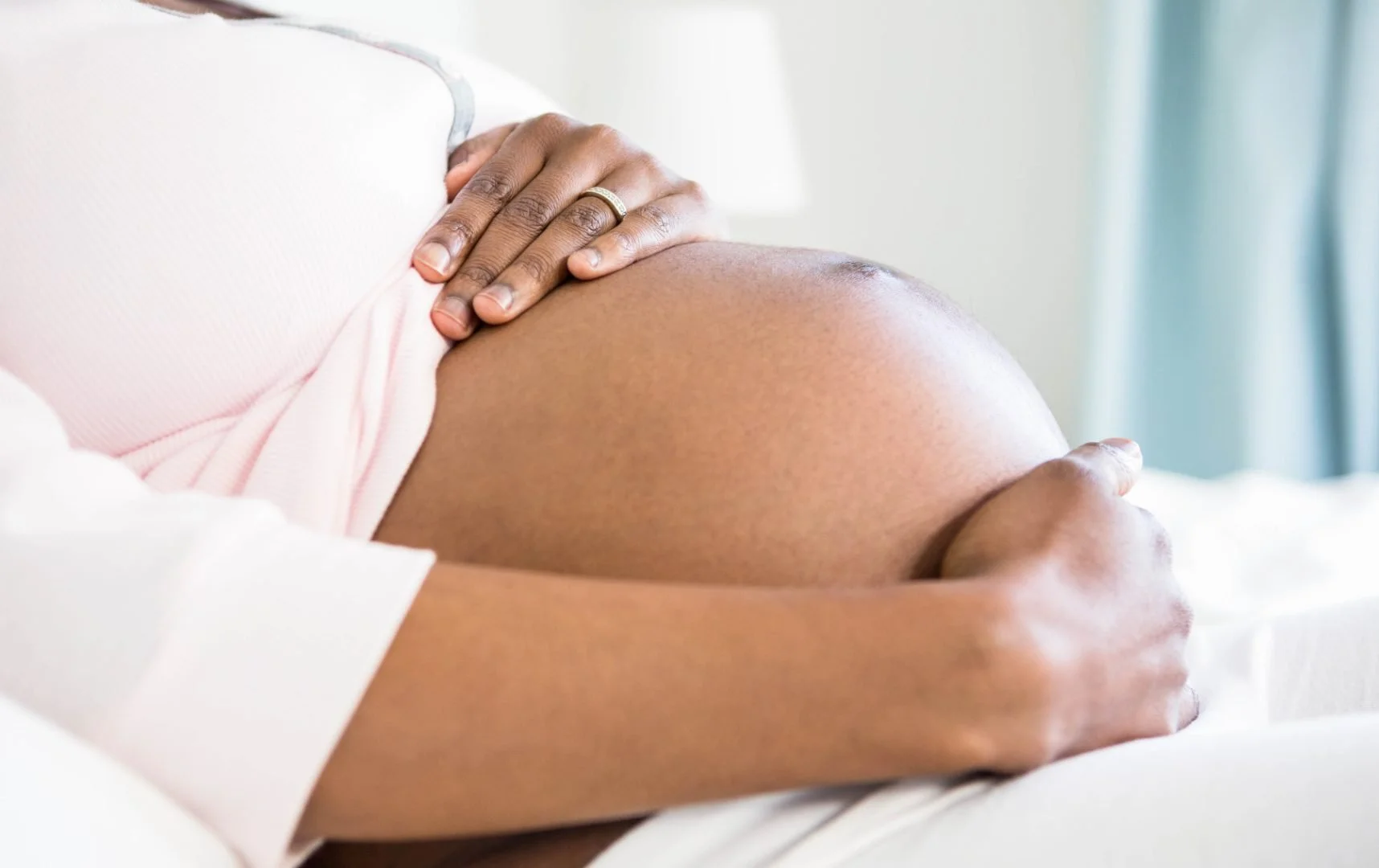
You planned for a vaginal birth. Or maybe you knew all along it would be a cesarean. Either way, here's what the hospital discharge paperwork doesn't quite prepare you for: a C-section is major abdominal surgery. And recovering from major abdominal surgery while simultaneously caring for a newborn — in a New York City apartment, with a six-floor walk-up or a slow elevator and a doorman who can't help you with the stroller — is its own particular challenge.
C-section recovery is different. Not harder or easier than vaginal birth recovery, but genuinely, meaningfully different — in ways that affect how you move, how you sleep, how you ask for help, and how long it takes to feel like yourself again. The more clearly you understand what's actually happening in your body, the better equipped you'll be to support your healing.
Here's the truth about C-section recovery that most moms only learn after the fact.
1. You Just Had Major Surgery — And Your Body Knows It
A cesarean section involves incisions through multiple layers of tissue: skin, fascia, muscle, and uterus. That's not a minor procedure. The average hospital stay is two to four days, but healing continues for weeks — sometimes months — after you go home.
In the early days, you'll likely feel the incision site as a band of soreness, tightness, or numbness across your lower abdomen. That numbness is normal: the nerves in the area take time to regenerate, and some women experience altered sensation near their scar for months or even permanently. What surprises many moms is that the pain often isn't just at the incision — it can radiate upward into the shoulders (from residual gas trapped during surgery), make coughing and laughing unexpectedly sharp, and turn something as ordinary as getting out of bed into a planned, multi-step operation.
In New York City, where "taking it easy" often means swapping your commute for a couch, the temptation is to push through faster than your body is ready. Don't. Your uterus alone needs six to eight weeks to heal. The rest of you needs that time, too.
2. Getting Up, Sitting Down, and Moving Around Require a Strategy
One of the most practically disorienting parts of early C-section recovery is the loss of your core. Not fitness — function. The muscles that help you rise from a chair, roll over in bed, and pick something up off the floor have just been cut through and are healing. They will not cooperate the way they used to, and asking them to is both painful and potentially counterproductive.
The log roll technique is essential: to get out of bed, roll to your side first, use your arms to push up, and then bring your legs to the floor — rather than trying to sit straight up. It sounds simple, but remembering it at 3 a.m. when you're exhausted and the baby is crying takes practice. The hospital may show you this once. In the real world of your apartment, you'll do it forty times a day.
Stairs are a similar reality check. If you live in a building without a reliable elevator — or a walk-up — this is something to plan for before you come home. Can you set up your primary recovery space on a floor that minimizes stair use? Can a partner, family member, or postpartum doula be available to help for at least the first week?
These aren't small logistics. In Manhattan, where an apartment's vertical layout is often an afterthought, this kind of planning genuinely matters.
3. Your Scar Needs Attention — Gently, and At the Right Time
The C-section scar sits low on the abdomen, typically just below the bikini line. Once it's fully closed and your OB has cleared you (usually around six weeks), scar massage becomes one of the most important — and most overlooked — tools in your recovery.
Scar tissue that's left alone can adhere to the underlying fascia and muscle, creating tightness, pulling sensations, and even contributing to core dysfunction down the line. Gentle massage, once the incision is fully healed, helps break up adhesions and restore mobility in the surrounding tissue. Many women who didn't do scar work find themselves dealing with persistent tightness, a "shelf" of skin above the incision, or discomfort during physical activity years later.
Ask your OB when it's safe to begin, and if possible, work with a pelvic floor physical therapist who has experience with C-section recovery. Yes, pelvic PT is relevant even when you didn't have a vaginal birth. The pelvic floor is affected by the surgery itself, by the pressure of pregnancy, and by the compensatory patterns your body develops while protecting the incision site.
4. Belly Binding Can Be a Meaningful Part of Your Recovery
This is something many C-section moms don't know until well after their recovery: belly binding — the practice of wrapping the postpartum abdomen with a supportive binder or cloth — can offer real benefits specifically for those recovering from a cesarean.
The abdominal muscles that were separated and repaired during surgery benefit from gentle, consistent external support. A properly applied belly bind can help reduce the sensation of "everything falling forward," provide proprioceptive feedback that supports your posture as you're learning to move again, decrease swelling and fluid retention in the midsection, and simply make those early days more physically manageable.
The key word is properly applied. A binder that's too tight can restrict circulation or put inappropriate pressure on your incision. One that's too loose provides little benefit. Traditional belly binding — the kind rooted in postpartum traditions from across cultures, including the Bengkung method from Southeast Asia — is done by hand, adjusted to your body, and applied with specific intention for the healing stage you're in.
At Smooth Transitions, belly binding is one of the specialized services we offer for postpartum moms in Manhattan. We work with C-section moms in particular, because the support and compression provided by a proper bind can make a meaningful difference in comfort and healing during that first month. Learn more about belly binding here.
5. The Emotional Reality of C-Section Recovery Is Real — and Often Minimized
For some moms, a C-section is exactly what they planned and they feel entirely at peace with it. For others — particularly those who planned or hoped for a vaginal delivery and ended up with an emergency cesarean — there can be a significant emotional component to recovery that goes unaddressed.
Feelings of grief, disappointment, or disconnection from the birth experience are valid and common. So is a kind of relief when it's over, followed by surprise that something still feels unresolved. The body holds the experience of surgery in ways that can surface unexpectedly — a flinch near the scar, anxiety about the incision, a sense of numbness that's both physical and emotional.
None of this means anything is wrong with you. It means you've been through something genuinely significant, and you deserve support that acknowledges the whole picture — not just the technical aspects of healing, but how you're actually doing.
This is part of why postpartum doula support for C-section moms looks a little different. It's not just about practical help (though that matters enormously). It's about having someone present who understands both the physical and emotional dimensions of this specific kind of recovery.
6. You Need More Help Than You Think — and That Is Not a Failure
The standard postpartum advice — "sleep when the baby sleeps," "accept help when it's offered," "don't overdo it" — is genuinely hard to follow after a C-section, because your options are more limited than after an uncomplicated vaginal birth. Lifting restrictions mean you may not be able to pick up a laundry basket, carry groceries, or even get your baby out of a crib that's the wrong height. Driving restrictions typically last at least two weeks. Pain and fatigue compound each other in ways that make even small tasks feel enormous.
In New York City, where many families don't have nearby relatives and where the pace of everything defaults to fast, this is when having intentional support becomes less of a luxury and more of a necessity.
If you're planning a C-section — scheduled or as a possibility — we'd encourage you to think about your postpartum support before you deliver. Not as a backup plan, but as a first plan. A postpartum doula who has experience with C-section recovery can help you set up your space to minimize unnecessary movement, assist with newborn care so you're not lifting and bending before you're ready, prepare and bring you nourishing food and water (staying hydrated matters enormously for healing), and simply be a calm, knowledgeable presence during a recovery that can feel isolating.
You Brought a Human Into the World — Honor How That Happened
However your baby arrived, you did something remarkable. C-section recovery asks you to heal in a way that is quiet, slow, and often invisible — and that can be hard in a city and a culture that tends to celebrate the bounce-back.
Give yourself the six weeks. Give yourself the scar massage. Give yourself the belly bind if it helps. And give yourself the support that makes all of it more manageable.
If you're expecting or recently postpartum in Manhattan and want to talk through what C-section recovery support could look like for you — including belly binding, doula care, or simply a consultation — we're here. Book a free consultation with Smooth Transitions and let's figure out what you actually need.
Smooth Transitions provides postpartum doula support, newborn care, and belly binding services for families in Manhattan and the surrounding NYC area. Our team specializes in meeting each family where they are — including moms navigating C-section recovery.
