

The Traditional Recovery Ritual Around Belly Binding
In the United States, belly binding is usually presented as a product. A wrap. A thing you put on your body to get a result.
In the tradition it comes from, the wrap is the last step of something much larger. Understanding that changes how you think about your own recovery, even if you never follow the full practice.
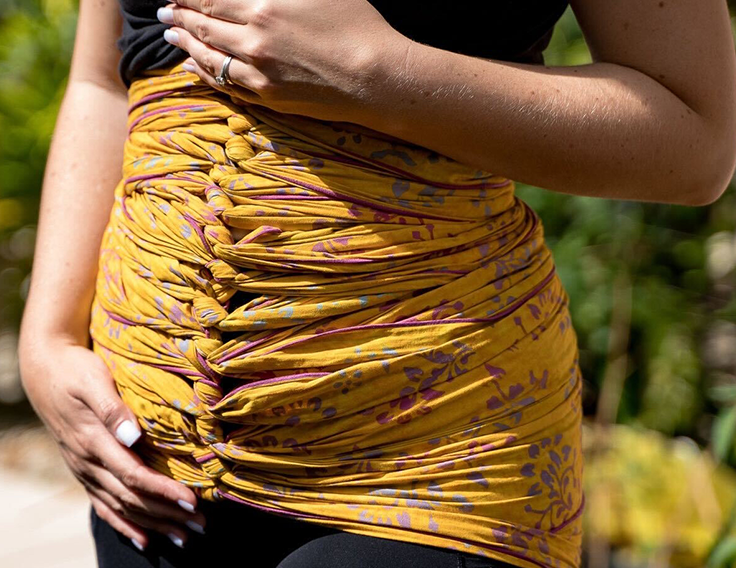
Learn to Bind: A Hands-On Way to Support Someone You Love Postpartum
When someone you love has a baby, there are so many ways to show up for them. You can bring a meal. Hold the baby. Help with laundry. Make sure they get a shower.
But what if you could also learn a hands-on skill specifically designed to support their postpartum recovery?
You can learn to belly bind.
Belly binding is a traditional postpartum practice that uses a long woven cloth wrap to provide gentle support and containment around the abdomen after birth. For many families, it becomes more than a recovery practice—it becomes a meaningful way to care for a new mother during a time when so much attention is placed on the baby.

Bengkung Belly Binding vs. Postpartum Girdles and C-Section Binders
You can buy a postpartum belly wrap online tonight and have it in your apartment tomorrow. So why would anyone book a doula to wrap them in fifteen yards of cotton?
It is a fair question. They may look like they do the same job, but they work very differently on a body that has just given birth. Here is an honest comparison so you can decide what belongs in your recovery plan.
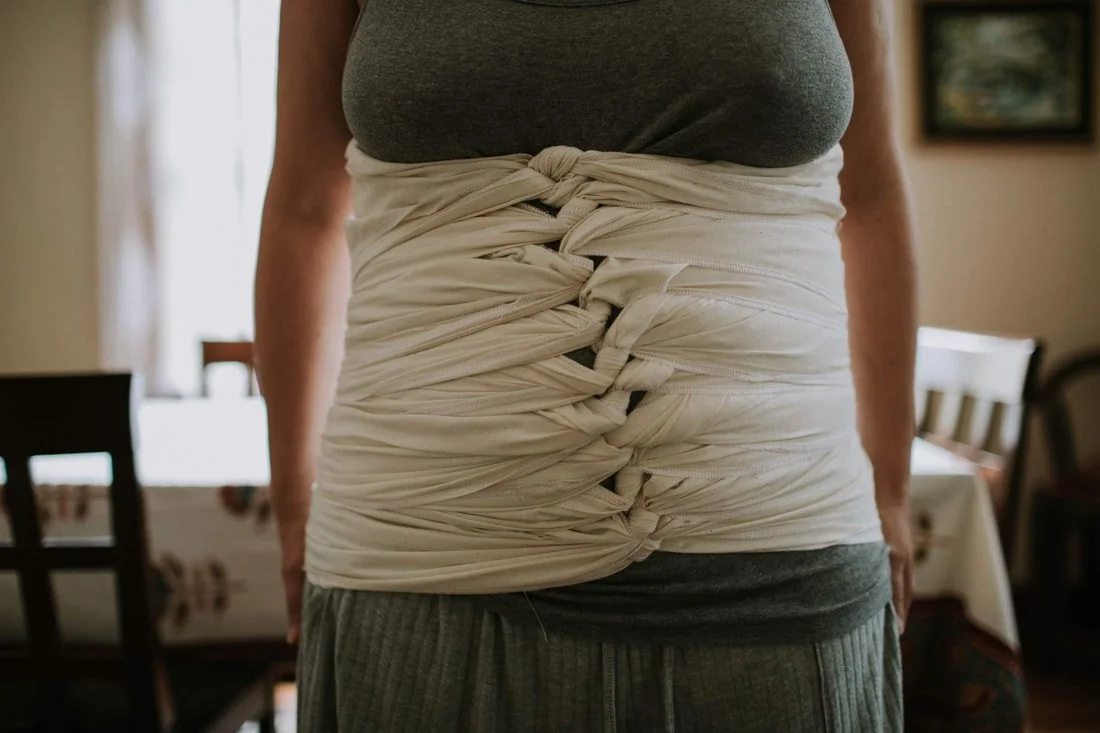
What Happens During a Bengkung Belly Binding Session
Most of the women I wrap have never seen a belly bind in person. They have read that it supports recovery, they have seen a photo or a short video, and then they arrive at the appointment with a reasonable question: what is actually going to happen to me for the next hour?
This post answers that. If you are considering belly binding as part of your postpartum recovery in Manhattan, here is exactly what a session looks like from the moment I arrive to the moment you rewrap yourself at home.

Learning Your Newborn's Cues: Why Daytime Doula Support Builds Confidence Faster
There's a moment almost every new parent has in the first week home. Your baby is crying, you've fed them, changed them, held them, and you still don't know what they want. You feel like you should know. You don't. And the exhaustion makes everything louder.
Here's what we tell every family we work with: you are not supposed to know yet. Reading your baby is a skill, and like any skill, it's learned through practice with someone beside you who can narrate what's happening. That's the heart of daytime postpartum doula support, and it's why we've built our Manhattan practice around it.

Returning to Work After Baby in NYC: How to Make the Transition Less Overwhelming
You made it through pregnancy. You survived labor and delivery. You have navigated the sleepless nights, the feeding challenges, and the moments of pure overwhelm and pure joy that no one fully prepared you for. And now, just as you are starting to find your footing, the calendar reminds you that your leave is ending.
Returning to work after having a baby is one of the most emotionally and logistically complex transitions a new parent faces. In New York City, it comes with its own particular set of challenges: some of the shortest employer leave policies in the developed world, one of the most competitive and expensive childcare markets anywhere, and a work culture that tends to reward being always on. All of that while your body and heart are still very much in the fourth trimester.
This guide will not sugarcoat it. Going back to work is hard. But it is navigable, and the families I have supported through Smooth Transitions have shown me, again and again, that the difference between an overwhelming return and a manageable one usually comes down to planning, support, and giving yourself genuine permission to take this one step at a time.

What to Put in Your Postpartum Recovery Kit Before Baby Arrives
Everyone tells you to pack your hospital bag. Prenatal classes, your OB, your mom, your best friend who had a baby two years ago — they all have opinions about what you need for labor and delivery.
But almost nobody talks about what to have ready for when you get home.
You'll likely be discharged 24 to 48 hours after a vaginal birth, or 72 to 96 hours after a cesarean. You'll be physically recovering from one of the most demanding events of your life. You'll be learning how to feed and soothe a brand-new human. And you'll be doing it in your apartment — possibly without your partner, once their leave runs out, and probably without nearby family if you're like many of the Manhattan families I work with.
The postpartum recovery kit is something I recommend to every family I support through Smooth Transitions. It's not about buying a lot of things. It's about having the right things within reach before the chaos begins — so that in those first raw, beautiful, overwhelming days, you're not scrambling.
Here's what I tell my clients to gather before their due date.
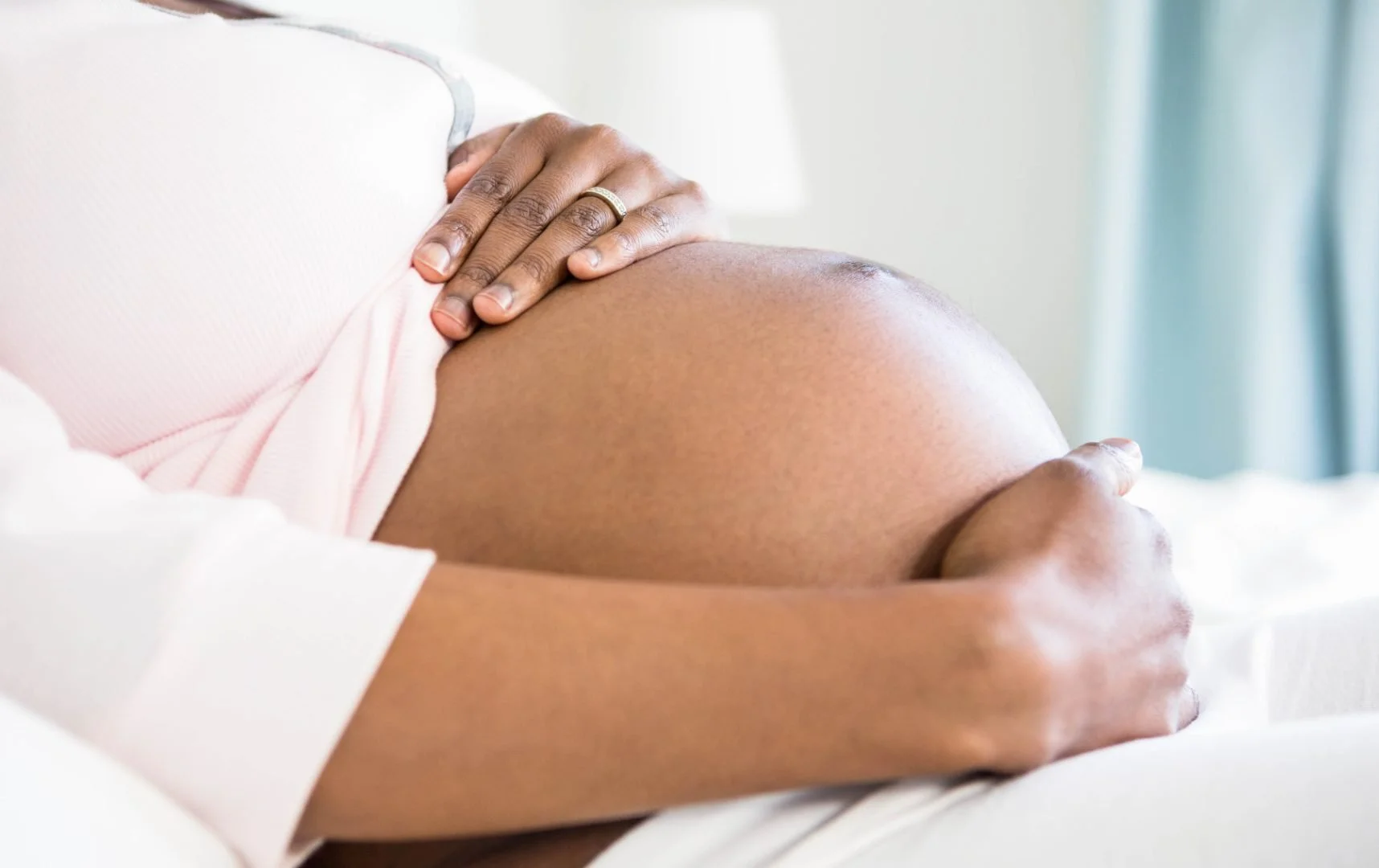
The Truth About C-Section Recovery: What No One Tells You (And How to Actually Heal)
You planned for a vaginal birth. Or maybe you knew all along it would be a cesarean. Either way, here's what the hospital discharge paperwork doesn't quite prepare you for: a C-section is major abdominal surgery. And recovering from major abdominal surgery while simultaneously caring for a newborn — in a New York City apartment, with a six-floor walk-up or a slow elevator and a doorman who can't help you with the stroller — is its own particular challenge.
C-section recovery is different. Not harder or easier than vaginal birth recovery, but genuinely, meaningfully different — in ways that affect how you move, how you sleep, how you ask for help, and how long it takes to feel like yourself again. The more clearly you understand what's actually happening in your body, the better equipped you'll be to support your healing.
Here's the truth about C-section recovery that most moms only learn after the fact.
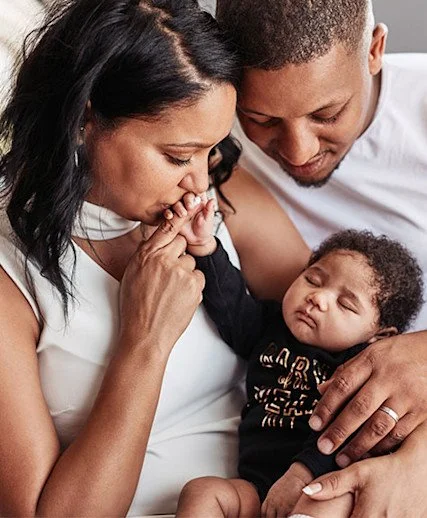
The Partner's Playbook: How to Actually Support Your Spouse After Baby in NYC
You were there for the birth. You cut the cord, you held the baby, you took approximately four hundred photos in the first hour. You downloaded the apps, you assembled the gear, you told everyone who would listen that you were going to be fully present and supportive.
And then you got home, and you realized you had absolutely no idea what that meant in practice.
This is one of the most common things I hear from the partners of the families I work with. Not a lack of desire to help — the desire is almost always there. What's missing is the how. What does support actually look like in those first days and weeks? What does your partner need that they may not be saying out loud? And how do you show up meaningfully when you're also exhausted, overwhelmed, and quietly terrified?
If you're the partner of a woman who has just given birth in New York City, this one is for you.
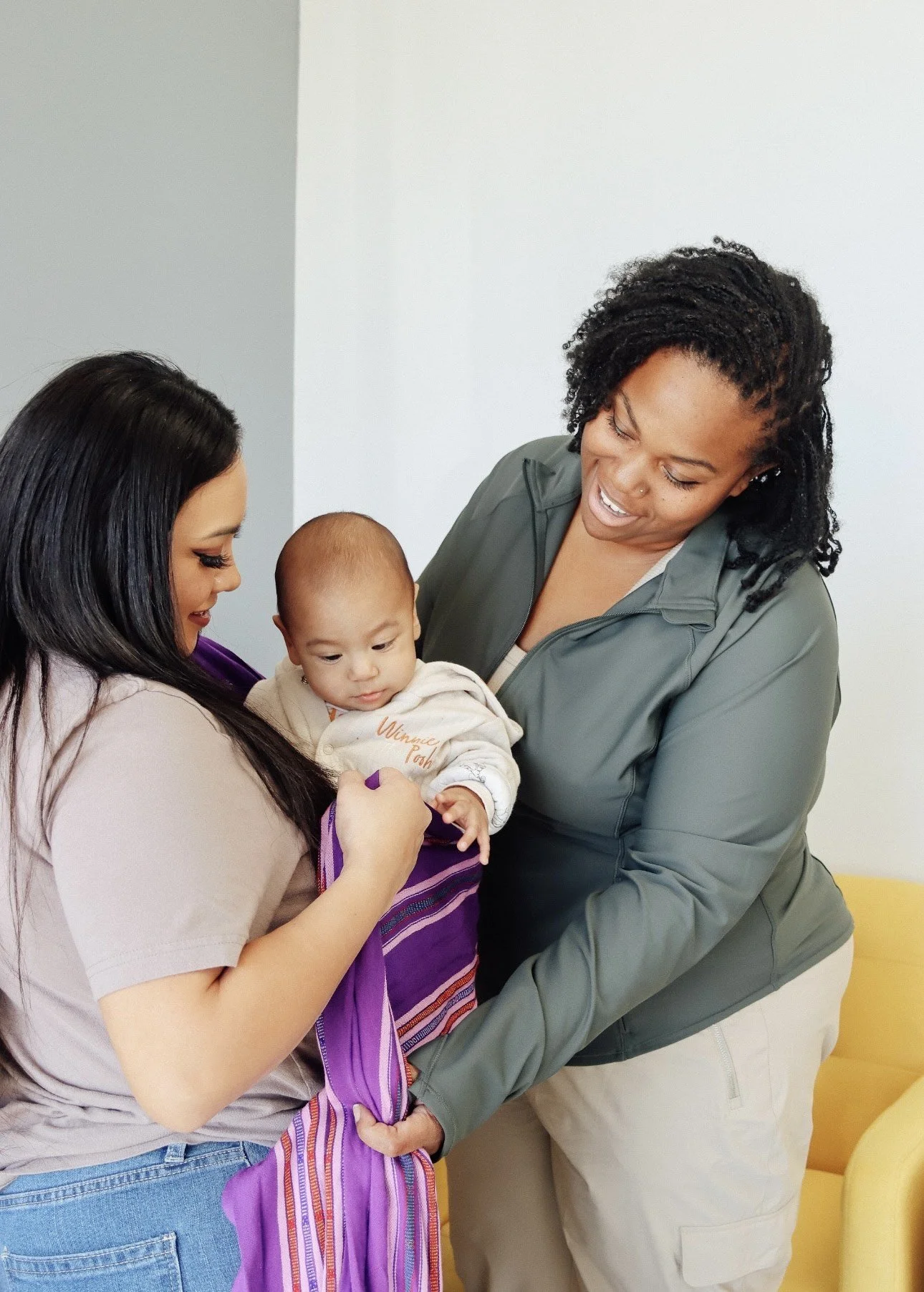
What to Eat After Baby: A New York Mom's Guide to Postpartum Nutrition and Healing Foods
You spent nine months carefully tracking what went into your body — avoiding soft cheeses, limiting caffeine, loading up on folate. Then the baby arrives, and somehow, your nutrition falls completely off the radar.
It's one of the most common patterns Yvonne sees with the families she supports across Manhattan: the refrigerator is stocked with infant supplies, the freezer holds extra breast milk storage bags, and mom is surviving on whatever she can eat one-handed at 2 a.m.
Here's the truth: what you eat in the weeks after birth has a profound impact on how you heal, how you feel, and if you're breastfeeding, how you nourish your baby. The fourth trimester is not the time to deprioritize food. It's actually one of the most nutritionally demanding seasons of a woman's life.
This guide breaks down what to focus on, what to add to your kitchen before baby comes, and how to make eating well actually doable when you're sleep-deprived and time-strapped in New York City.
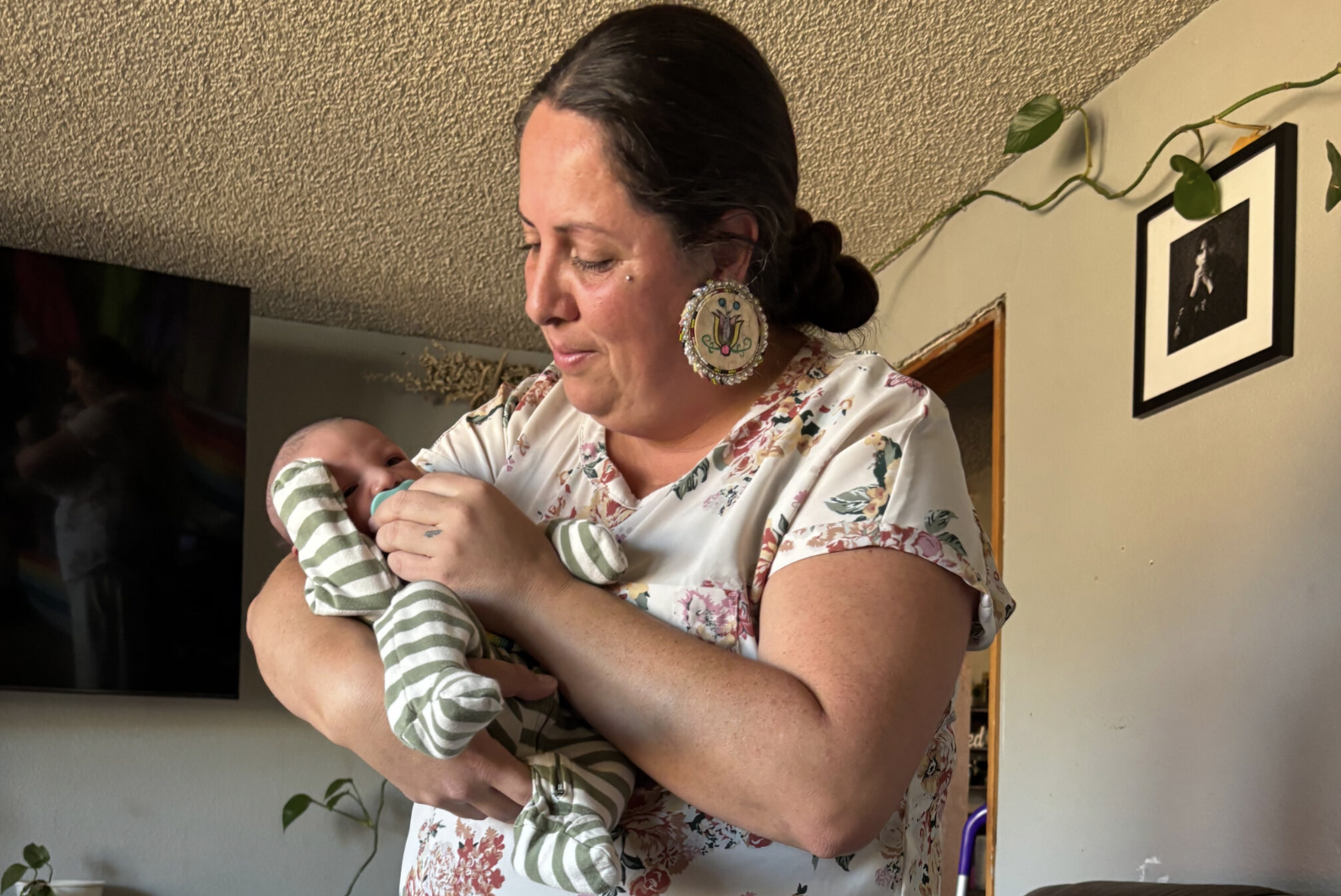
Postpartum Doula vs. Night Nurse: What's the Difference?
If you’re expecting in New York City and starting to think about newborn support, you’ve probably searched some version of “postpartum doula vs. night nurse NYC” — and come away more confused than when you started. These two roles are often used interchangeably, but they are genuinely different, and choosing the right one (or the right combination) can make a significant difference in how you experience those early weeks.

Why Every New NYC Mom Needs a Postpartum Doula (And How to Find the Right One)
You planned everything. The nursery is ready. The hospital bag is packed. You've read every pregnancy book and attended every prenatal class. But here's what no one tells you before you bring your baby home: the hardest part isn't the birth. It's the weeks that follow.
If you're expecting in Manhattan — or you've just arrived home from Lenox Hill, NYU Langone, or Mount Sinai with a brand-new baby in your arms — you may be discovering something that surprises many first-time (and even second-time) parents: New York City, for all its resources, can feel profoundly isolating in the postpartum period.

5 Things No One Tells You About the First Week Home with a Newborn in NYC
You've taken the infant CPR class. You've assembled the bassinet (twice). You've got the onesies organized by size and the diaper caddy stocked like a small pharmacy. You're ready.
And then you get home.
The door closes behind you, the hospital bag hits the floor, and you look down at this tiny, beautiful, utterly bewildering human — and realize that nothing, absolutely nothing, fully prepares you for what comes next. Especially not in New York City.
Here are five things that tend to catch Manhattan families completely off guard in that first week.

Navigating Postpartum Hair Loss with Nutrafol Postpartum
The postpartum period is a transformative time for new mothers, filled with joy, challenges, and significant physical changes. One common concern during this time is postpartum hair loss, a condition that affects many women after childbirth. Nutrafol Postpartum is a hair growth supplement specifically designed to address this issue, offering a holistic approach to support new mothers in their journey to regain healthy, fuller hair.


Postpartum Recovery: The Benefits of Belly Binding
The postpartum period is a time of significant physical and emotional changes for new mothers and belly binding can support recovery and provide comfort during this transformative time. In this blog post, we'll explore the benefits of belly binding and how it can aid in postpartum recovery.

Understanding Depression During Pregnancy
Prenatal depression, also known as antenatal depression, occurs during pregnancy. It's essential to recognize that pregnancy isn't always a time of pure joy; it can also bring stress, anxiety, and emotional challenges.

Sleep Deprivation: Tips for the sleepy and exhausted mama during those early postpartum weeks
Tips and tricks on how to get rest in those early postpartum weeks.


How to Smoothly Transition from Postpartum to Parenthood
Postpartum is a challenging time for many new parents. You may experience physical, emotional, and mental changes that affect your well-being and your relationship with your baby. How can you transition smoothly from postpartum to parenthood? In this blog we will share some tips and strategies to help you cope with the postpartum period and enjoy your new role as a parent.