
5 Things No One Tells You About the First Week Home with a Newborn in NYC
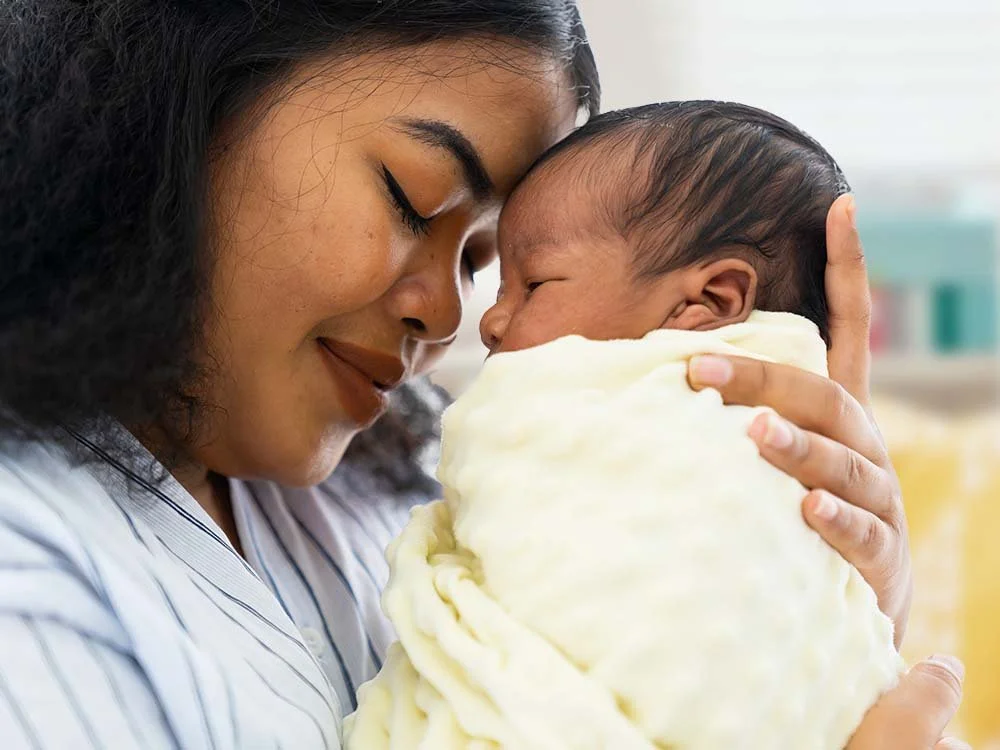
You've taken the infant CPR class. You've assembled the bassinet (twice). You've got the onesies organized by size and the diaper caddy stocked like a small pharmacy. You're ready.
And then you get home.
The door closes behind you, the hospital bag hits the floor, and you look down at this tiny, beautiful, utterly bewildering human — and realize that nothing, absolutely nothing, fully prepares you for what comes next. Especially not in New York City.
Here are five things that tend to catch Manhattan families completely off guard in that first week:
1. Your Apartment Will Feel Like It's Shrinking
That roomy two-bedroom on the Upper West Side? The one you carefully baby-proofed and decorated? It's about to feel like a studio. Between the bassinet, the swing, the bouncer, the nursing pillow, the pump, the drying rack for bottle parts, and the approximately 47 burp cloths in rotation at any given moment — your square footage disappears fast.
New York families often underestimate the logistical footprint of a newborn. Unlike suburban homes with mudrooms and garages, most NYC apartments have no overflow space. Before baby arrives, do a dry run: set everything up and live in it for a few days. You'll quickly see what needs to be relocated to storage or sent back to the store entirely.
Pro tip: Vertical storage is your best friend. And so is a doula who's worked in Manhattan apartments and knows exactly how to help you set up a functional feeding station in 40 square feet.
2. The Noise Situation Is… Complicated
Everyone warns you that your baby will be loud. What they forget to mention is that New York City is also loud — and the two don't always coexist peacefully.
Garbage trucks at 6 a.m. Neighbors renovating (always renovating). Ambulance sirens at 2 a.m. just as you've finally gotten the baby down. The sound of the lobby door slamming echoing through your entire building.
Here's the silver lining that most parents discover by day four or five: newborns actually habituate to background noise remarkably well, because the womb itself was a surprisingly loud place. White noise machines are invaluable, but so is giving yourself permission to let the city sounds just... be. You don't need a silent sanctuary. You need a consistent sound environment — and that's very achievable even in Midtown.
3. Getting Outside Is Both Harder and More Important Than You Think
In the early days, the idea of getting dressed, loading the stroller, navigating your building's elevator situation, and emerging onto a crowded sidewalk can feel genuinely monumental. Some days it takes 45 minutes just to get out the door — and then the baby is hungry again.
But here's what experienced NYC postpartum families will tell you: that first walk around the block is transformative. Fresh air, movement, and a change of scenery do something for a new mother's nervous system that no amount of rest inside can replicate. Even 10 minutes counts.
The key is lowering the bar dramatically. You are not going to brunch. You are not running errands. You are walking half a block to the corner, breathing outside air, and going back inside. That's the whole plan. And it's enough.
4. Your Food Situation Needs a Strategy (and "Just Order Delivery" Isn't One)
Living in a city with every cuisine imaginable available at the tap of a screen sounds like a new parent's dream. And it can be — but only with some forethought.
What no one warns you about: decision fatigue is at an all-time high in the first week. When you're running on two hours of sleep and trying to remember the last time you drank water, choosing between 200 delivery options is genuinely paralyzing. Many new parents end up not eating — not because food isn't available, but because ordering requires more cognitive bandwidth than they have.
The families who fare best are the ones who set up a two-week meal plan before delivery (the baby, not DoorDash). Batch-cooked freezer meals, a grocery order scheduled to arrive on day three, and a short list of three go-to restaurants already saved in your apps. When a neighbor or family member asks how they can help, "bring food from this specific restaurant" is a complete and perfect answer.
5. You Will Grieve Things You Didn't Expect to Grieve — and That's Normal
This one is the most important, and the least discussed.
In the first week home, alongside the overwhelming love and wonder, many new parents experience a quieter, stranger feeling: a sense of loss. Loss of the spontaneity of your pre-baby life. Loss of knowing who you are outside of this new role. Loss of your body feeling like your own. Loss of the partnership dynamic you and your partner had before.
None of this means anything is wrong. It means you're human, and that you've just undergone one of the most profound identity shifts a person can experience. In New York especially — a city that rewards independence, ambition, and social momentum — the sudden stillness of the postpartum period can feel disorienting.
Giving yourself space to name these feelings, rather than push through them, makes an enormous difference. So does having someone in your corner who understands that postpartum support isn't just about the baby. It's about you.
The Bottom Line
The first week home is its own kind of miracle — messy, tender, exhausting, and profound all at once. There is no perfect way to do it. But you don't have to figure it out alone.
If you're expecting or newly postpartum in Manhattan and want a knowledgeable, experienced guide by your side for those early days, we'd love to connect. Book a free consultation and let's talk about what your first week — and beyond — could look like with the right support in place.
