
Why Every New NYC Mom Needs a Postpartum Doula (And How to Find the Right One)
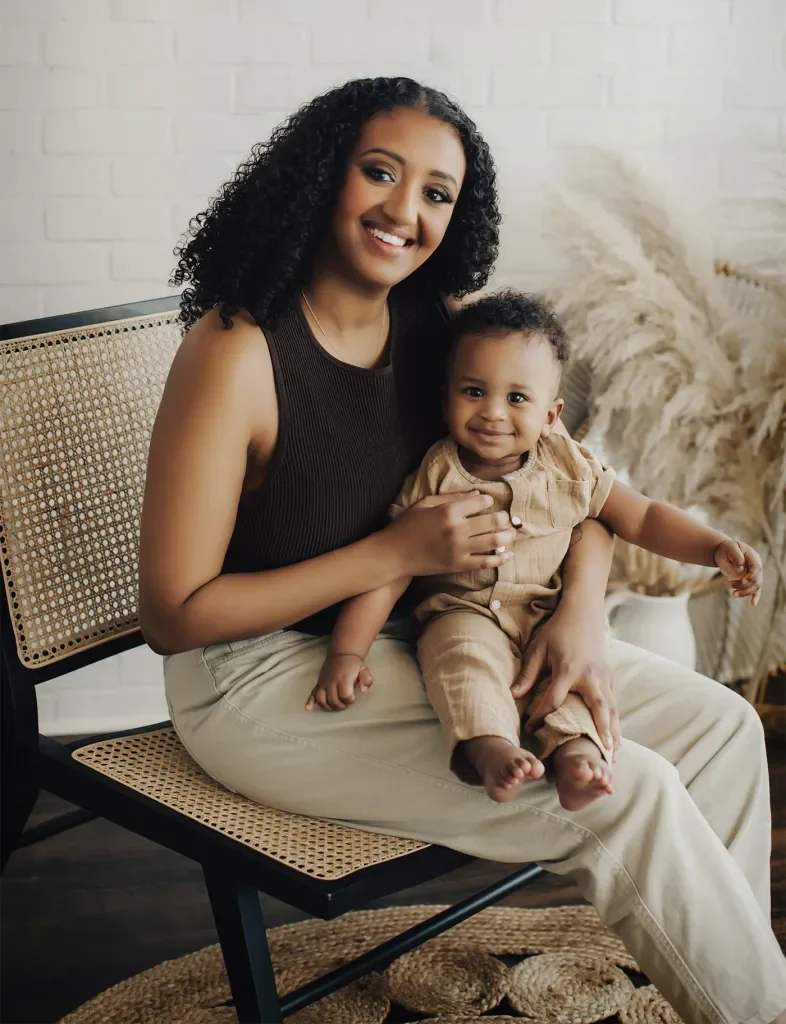
By Yvonne Hancock, Certified Postpartum Doula & Newborn Care Specialist | Smooth Transitions
You planned everything. The nursery is ready. The hospital bag is packed. You've read every pregnancy book and attended every prenatal class. But here's what no one tells you before you bring your baby home: the hardest part isn't the birth. It's the weeks that follow.
If you're expecting in Manhattan — or you've just arrived home from Lenox Hill, NYU Langone, or Mount Sinai with a brand-new baby in your arms — you may be discovering something that surprises many first-time (and even second-time) parents: New York City, for all its resources, can feel profoundly isolating in the postpartum period.
Your family may be in another state. Your friends are busy. Your partner may be heading back to work sooner than either of you expected. And you're left alone, exhausted, leaking, sore, and completely in love with someone who communicates exclusively by crying.
This is exactly why postpartum doulas exist. And in this post, I want to walk you through everything you need to know — what a postpartum doula actually does, what to look for when hiring one in NYC, and how to know if the fit is right for your family.
What Is a Postpartum Doula, Really?
A postpartum doula is a trained professional who provides physical, emotional, and educational support to families in the days and weeks after birth. We are not nannies, nurses, or night nurses — though our work can overlap with all three depending on your needs.
Think of a postpartum doula as your personal "village." Historically, new mothers were surrounded by experienced women in their community who cooked nourishing meals, held the baby while the mother slept, offered breastfeeding wisdom, and helped the household run smoothly. That village still exists — it just looks a little different now.
As a postpartum doula, I step into that role. My job is to take care of you so that you can take care of your baby.
Here's what that looks like in practice:
Overnight newborn care — I take the night shift so you can sleep, which is foundational to your physical and emotional recovery.
Feeding support — Whether you're breastfeeding, pumping, formula-feeding, or navigating a combination approach, I offer evidence-based, non-judgmental guidance on latch, supply, and feeding schedules.
Emotional support — The postpartum period brings a cascade of hormonal shifts. I'm trained to recognize the signs of postpartum depression, postpartum anxiety, and birth trauma, and to help you navigate those feelings or connect you with the right professional support.
Newborn education — From swaddling to safe sleep to understanding wake windows, I help demystify newborn behavior so you can feel confident, not confused.
Household support — Light tidying, preparing a nourishing snack or meal, and helping your home feel calm and functional.
Partner support — Partners often feel helpless in the early weeks. I help them find their role and build confidence with baby too.
The Fourth Trimester: What's Actually Happening in Your Body
The term "fourth trimester" refers to the roughly 12 weeks after birth — a period of significant physical healing and hormonal change that our culture dramatically underserves.
Here's what's happening in your body that you may not have been warned about:
Weeks 1–2: Your uterus is contracting back to its pre-pregnancy size (yes, those cramps are real and can be intense, especially if you've given birth before). Your milk is coming in. Hormones — particularly estrogen and progesterone — are dropping steeply, which can contribute to the "baby blues" that many mothers experience in the first week. You're healing from a vaginal birth or a major abdominal surgery, and your body needs rest above almost everything else.
Weeks 3–6: Fatigue compounds. Sleep deprivation is cumulative, and this is often when mothers start to struggle most. The initial adrenaline of new parenthood begins to wear off. If postpartum depression or anxiety is going to emerge, this is frequently when it does.
Weeks 6–12: You may be cleared by your OB at six weeks, but "cleared" does not mean "recovered." Pelvic floor healing, diastasis recti (abdominal separation), hormonal fluctuations, and emotional processing can all continue well into this phase.
A postpartum doula supports you across all of these phases — not just the first week when everyone is still sending meals.
5 Questions to Ask Before Hiring a Postpartum Doula in NYC
Not all postpartum doulas are the same, and the right fit matters deeply. Here are the five most important questions to ask:
1. What is your training and certification?
Look for doulas who hold certifications from recognized organizations such as DONA International, CAPPA, or who have completed specialized newborn care specialist training. At Smooth Transitions, I hold certifications as both a Postpartum Doula and a Newborn Care Specialist.
2. What does your support actually include?
Be specific. Does the doula offer overnight shifts? Daytime support? Both? Do they provide feeding support, or is that a separate service? Understanding the scope before you sign anything prevents misalignment later.
3. What is your philosophy on infant sleep?
This is a big one. Some doulas are trained in specific sleep methods. At Smooth Transitions, our approach focuses on gentle sleep shaping from day one — building healthy associations and responding to your baby's cues — rather than rigid schedules or cry-it-out methods that aren't developmentally appropriate for newborns.
4. How do you handle postpartum mood concerns?
A well-trained postpartum doula should be comfortable talking about postpartum depression, anxiety, and rage. They should be able to recognize warning signs and know when to refer you to a mental health professional. If a doula seems uncomfortable with this topic, that's worth noting.
5. Can you provide references from past clients?
A reputable doula should be happy to connect you with past families. Reviews, testimonials, and word of mouth are especially valuable in a city like Manhattan, where the parenting community is surprisingly interconnected.
Why Postpartum Support Is Different in Manhattan
Supporting families in New York City comes with a unique set of circumstances that not every doula is prepared for.
Space is different. Many Manhattan apartments don't have a dedicated nursery. Bedrooms are shared. Co-sleeping and room-sharing are common — and navigating those realities safely requires experience.
Privacy matters. In a doorman building, discretion is expected. Our families value a professional, low-profile presence that blends seamlessly into their household.
Parents are high-achieving and well-researched. The families I work with in Tribeca, the Upper East Side, and the West Village have often done extensive research. They want a doula who can meet them at their level — someone who speaks the language of attachment parenting, sleep science, and evidence-based lactation support.
The support network is often distant. Unlike suburban settings where grandparents may live nearby, many Manhattan families have their entire extended family in other cities or countries. The doula becomes even more essential in this context.
What Postpartum Support Is Not
It's worth being clear about this, because confusion here can lead to frustration on both sides.
A postpartum doula is not a medical professional. We do not diagnose, prescribe, or treat. If you are experiencing signs of infection, hemorrhage, or a serious mental health crisis, your first call should always be your OB, midwife, or a mental health provider.
A postpartum doula is not a permanent nanny. Our role is time-limited and intentional — we are there to support your transition and build your confidence, not to create dependency.
And a postpartum doula is not a luxury reserved for celebrities. While our services are an investment, they are an investment in your recovery, your mental health, and your family's wellbeing. Many families find that the cost of postpartum support pays for itself in avoided pediatric and therapy visits down the road.
When Should You Book a Postpartum Doula?
The short answer: earlier than you think.
In Manhattan, availability for postpartum doulas — especially experienced ones with strong reputations — fills up quickly. Many families book their postpartum support in the second trimester, around the same time they're booking their birth photographer or pediatrician.
We offer a free initial consultation for families who are considering Smooth Transitions services. This is a no-pressure conversation where you can ask questions, share your birth preferences, and get a sense of whether we're the right fit for your family.
You Deserve a Soft Landing
The postpartum period is one of the most significant transitions you will ever experience. It deserves more than a six-week checkup and a pamphlet about pelvic floor exercises.
At Smooth Transitions, our entire philosophy is built around one idea: every mother deserves a soft landing. You have done the extraordinary work of growing and birthing a human being. Now let us help you heal, rest, and find your footing as a parent — not with judgment, not with a rigid protocol, but with the kind of warm, expert, personalized care that truly makes a difference.
If you're expecting in Manhattan and you're wondering whether a postpartum doula is right for you, I'd love to talk.
Yvonne Hancock is a Certified Postpartum Doula, Newborn Care Specialist, and Lactation Counselor based in Manhattan, NY. Smooth Transitions provides luxury postpartum concierge services throughout New York City, including Tribeca, the Upper East Side, the Upper West Side, Chelsea, and beyond.
